Whether hosting business-critical applications, large databases or high-traffic websites, the infrastructure supporting those workloads plays an important role in performance, reliability and security. While many organisations choose shared or virtualised hosting, others require exclusive access to physical hardware to meet operational, compliance or performance requirements.
A dedicated server provides that exclusivity. By allocating an entire physical server to a single customer, organisations gain full use of the available processing power, memory, storage and network resources without sharing them with other tenants. This gives greater control over how the environment is configured while delivering predictable performance for demanding workloads.
What is a dedicated server?
A dedicated server is a standalone physical server allocated exclusively to a single organisation for hosting its workloads.
Unlike shared hosting, where multiple customers use the same physical infrastructure, a dedicated server gives one organisation exclusive access to all available hardware resources, including CPU, RAM, storage and network bandwidth. This allows the server to be configured around the specific requirements of the applications it supports.
Dedicated servers can be deployed for a wide range of workloads, including websites, business applications, databases, development environments, backup platforms and high-performance computing. Because no resources are shared with other customers, organisations have greater control over operating systems, software, security policies and hardware configuration.
While virtualisation can still be used on a dedicated server by installing a hypervisor and creating virtual machines, the underlying physical hardware remains dedicated to a single tenant.
How does a dedicated server work?
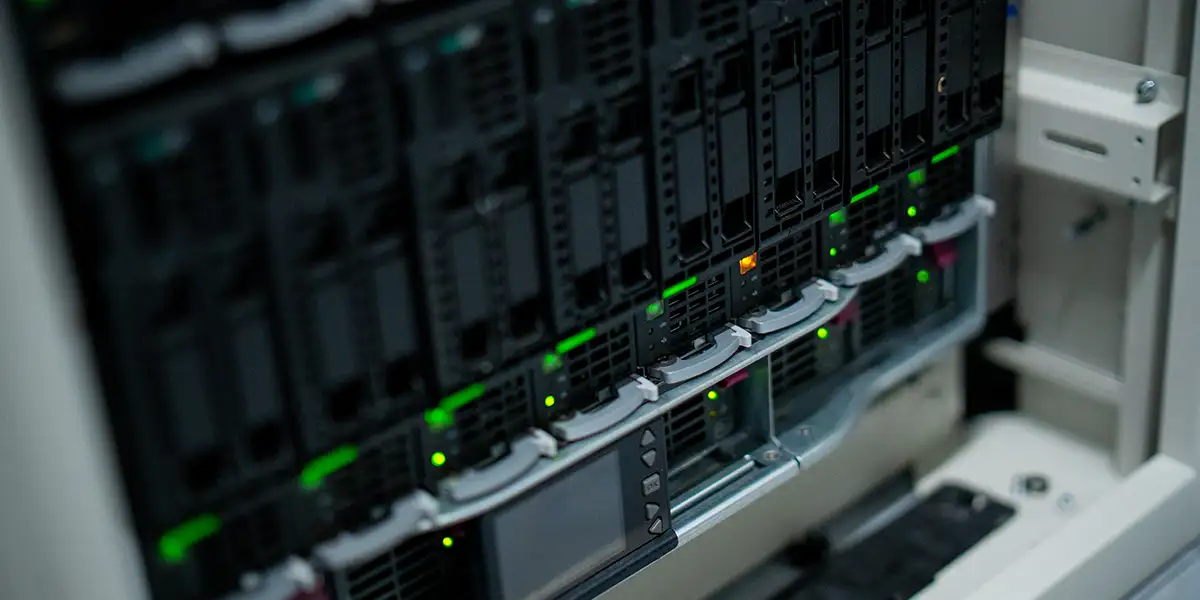
A dedicated server operates as an independent physical machine housed within a data centre. The hosting provider supplies, installs and maintains the hardware, while the organisation uses the server to run its chosen operating system, applications and services.
Because all hardware resources are reserved for one customer, workloads do not compete with those of other organisations for CPU cycles, memory or storage performance. This creates a predictable operating environment that is particularly valuable for applications with consistent resource requirements or strict performance expectations.
Most dedicated server environments are connected to resilient network infrastructure with redundant power, cooling and connectivity. Depending on how the platform is designed, multiple dedicated servers can also be combined to provide load balancing, clustering or high availability for business-critical services.
What are the benefits of a dedicated server?
Dedicated servers remain a popular hosting option because they combine predictable performance with complete infrastructure control.
Consistent performance
As hardware resources are not shared with other users, dedicated servers deliver consistent performance even during periods of heavy demand. This makes them suitable for resource-intensive applications, high-traffic websites and large databases where fluctuations in performance can affect users or business operations.
Greater control
Dedicated servers allow organisations to choose their operating system, software stack and hardware specification. This flexibility enables environments to be tailored around application requirements rather than adapting workloads to fit predefined infrastructure.
For organisations with specialist software, licensing requirements or custom configurations, this level of control can be particularly valuable.
Improved security isolation
Because dedicated servers are single-tenant environments, there is no risk of neighbouring workloads consuming resources or introducing vulnerabilities through shared infrastructure.
Although security still depends on appropriate configuration, patching, monitoring and access controls, dedicated servers provide a strong foundation for organisations handling sensitive information or operating under strict compliance requirements.
Predictable resource availability
Dedicated infrastructure makes capacity planning more straightforward. CPU, RAM and storage resources remain consistently available, allowing organisations to forecast performance and scale infrastructure based on known workload demands.
What workloads are dedicated servers best suited for?
Dedicated servers are often chosen when applications require consistent performance, specialised hardware or greater operational control than shared infrastructure can provide.
Common examples include:
- High-traffic websites and eCommerce platforms
- Microsoft SQL Server, MySQL and PostgreSQL databases
- ERP and business-critical applications
- Virtualisation hosts
- AI, machine learning and high-performance computing workloads
- Media streaming and content delivery platforms
- Applications processing sensitive or regulated data
The suitability of a dedicated server depends less on the size of an organisation and more on the operational requirements of its workloads. Some businesses run a single application on dedicated infrastructure, while others deploy multiple dedicated servers as part of a larger private cloud or hybrid environment.
Dedicated servers vs shared hosting
The primary difference between dedicated hosting and shared hosting is how physical resources are allocated.
With shared hosting, multiple customers use the same physical server. The hosting provider manages how resources are distributed between users, making shared hosting a cost-effective option for smaller websites or applications with modest resource requirements.
With a dedicated server, one organisation has exclusive use of the hardware. This provides greater flexibility over configuration, removes resource contention from neighbouring users and supports applications with higher or more predictable performance requirements.
The right choice depends on workload demands, budget, security requirements and the level of control an organisation needs over its infrastructure.
What should you consider before choosing a dedicated server?
Choosing a dedicated server involves more than selecting hardware specifications. The wider infrastructure and operational model should also be considered.
Questions worth asking include:
- How much CPU, memory and storage will your workloads require over the next three to five years?
- Do your applications require low latency for users in specific geographic regions?
- Will you need high availability across multiple servers?
- What backup and disaster recovery requirements exist?
- Who will manage operating system updates, security patching and ongoing maintenance?
- Does your provider offer proactive monitoring and rapid hardware replacement if components fail?
Considering these requirements early helps ensure the platform can support both current workloads and future growth.
Managed or unmanaged dedicated servers?
Dedicated servers can be provided as either managed or unmanaged services.
With an unmanaged server, the organisation is responsible for installing, configuring and maintaining the operating system, applications, security updates and monitoring. This model suits businesses with experienced infrastructure teams and sufficient internal resources.
A managed dedicated server includes ongoing operational support from the hosting provider. Depending on the service, this may include operating system management, monitoring, security updates, troubleshooting, hardware maintenance and technical support. For many organisations, this reduces operational overhead while providing access to specialist expertise when issues arise.
The appropriate model depends on the level of internal technical resource available and how much responsibility the organisation wants to retain for day-to-day infrastructure management.
The next steps
Dedicated servers continue to play an important role in modern IT infrastructure. For workloads that require predictable performance, complete hardware control or stronger isolation, they provide a flexible platform that can support both standalone deployments and larger private or hybrid cloud environments.
Understanding how dedicated servers work is the first step. Choosing the right hardware specification, network architecture and management model requires a broader assessment of your applications, growth plans and operational requirements.
If you’re evaluating dedicated infrastructure, speaking with an experienced managed hosting provider can help determine whether a dedicated server is the right fit for your workloads and how it should be designed to support your long-term objectives. Contact us for an initial conversation.