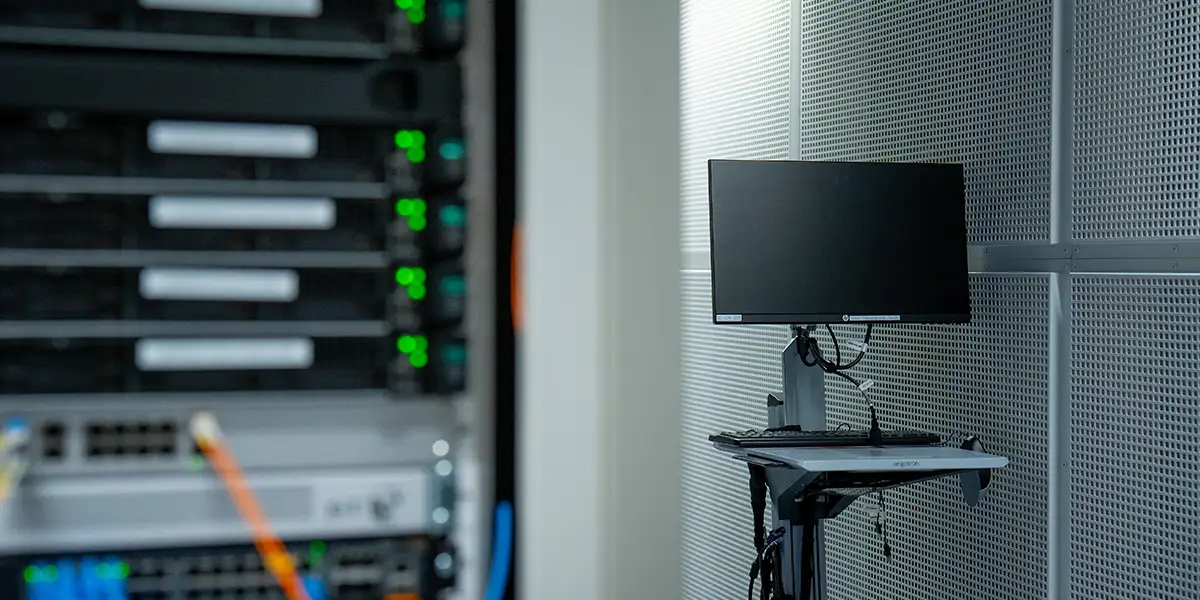
Effective server security combines secure infrastructure with proactive management. From protecting physical hardware in the data center to defending against cyberattacks, every layer contributes to keeping services available and data protected.
Why dedicated server security matters
Cybersecurity threats continue to evolve, making it important for your organisation to protect both your infrastructure and the information you hold. Whether you’re hosting customer-facing applications, business systems or sensitive data, a security incident can result in downtime, reputational damage and financial loss.
Dedicated servers provide a strong foundation because resources are not shared with other organisations. Unlike multi-tenant environments, your server is reserved exclusively for your workloads, giving you greater control over security policies, software and access.
For organisations operating in regulated industries or handling sensitive information, this level of control can also support compliance requirements.
Start with physical security
Server security begins long before data reaches your applications.
Housing dedicated servers within a professionally managed data center provides significantly greater protection than keeping critical infrastructure on-site. Enterprise data centers are designed to safeguard hardware through multiple physical security measures, helping prevent unauthorised access while maintaining continuous operation.
This typically includes controlled access, biometric authentication, 24/7 CCTV monitoring and secure entry systems. Environmental controls, redundant power supplies and resilient cooling systems also help protect infrastructure from disruption.
By securing the physical environment, your organisation reduces the risk of both accidental and deliberate threats affecting their infrastructure.
The security advantages of single-tenant infrastructure
One of the defining characteristics of a dedicated server is that the hardware is allocated exclusively to one customer.
This single-tenant architecture eliminates the “noisy neighbor” issues associated with shared environments while also reducing exposure to risks created by other users sharing the same physical infrastructure.
It also provides greater flexibility when implementing security controls. Organisations can configure operating systems, access policies and software to meet their own operational and compliance requirements without being constrained by a shared platform.
Protecting your server from cyber threats
While physical security protects the hardware, multiple layers of cybersecurity help defend the server itself.
Firewalls provide one of the first lines of defense by filtering incoming and outgoing traffic according to predefined security rules. This helps block unauthorised connections while allowing legitimate traffic to reach applications.
Distributed Denial-of-Service (DDoS) attacks are another common threat. These attacks attempt to overwhelm infrastructure with large volumes of traffic, making websites and applications unavailable to legitimate users. DDoS protection helps detect and mitigate malicious traffic before it affects service availability.
Secure remote access is equally important. Virtual Private Networks (VPNs) encrypt communications between users and infrastructure, helping protect sensitive information when systems are accessed remotely.
For websites and online applications, SSL certificates encrypt data transmitted between web servers and users’ browsers. This helps protect sensitive information while providing visitors with confidence that communications are secure.
Together, these technologies create multiple layers of protection which strengthen the overall security of a dedicated server environment.
The role of proactive monitoring
Security is not a one-time configuration. New vulnerabilities emerge regularly, making continuous monitoring an essential part of maintaining a secure server environment. Monitoring helps identify unusual activity, detect potential threats and respond to issues before they develop into larger incidents.
Regular vulnerability assessments, security updates and patch management also help reduce risk by addressing known weaknesses as they become available.
For organisations using managed dedicated servers, these responsibilities can be handled by experienced infrastructure specialists, reducing the operational burden on internal IT teams while helping maintain a consistently secure environment.
Security is an ongoing process
There is no single technology which can guarantee complete protection. Effective dedicated server security relies on multiple layers working together, including secure physical infrastructure, network protection, encrypted communications, proactive monitoring and ongoing maintenance.
As your organisation grows and new threats emerge, security measures should continue to evolve alongside the infrastructure they are protecting.
The next steps
A dedicated server provides a secure foundation for business-critical workloads, but maintaining that security requires more than isolated hardware alone. Combining physical security, layered cyber defenses and proactive monitoring helps create an environment which is resilient against both physical and digital threats.
Whether you’re deploying a new dedicated server or reviewing an existing environment, taking a layered approach to security helps protect your infrastructure, your data and the users who rely on your services.