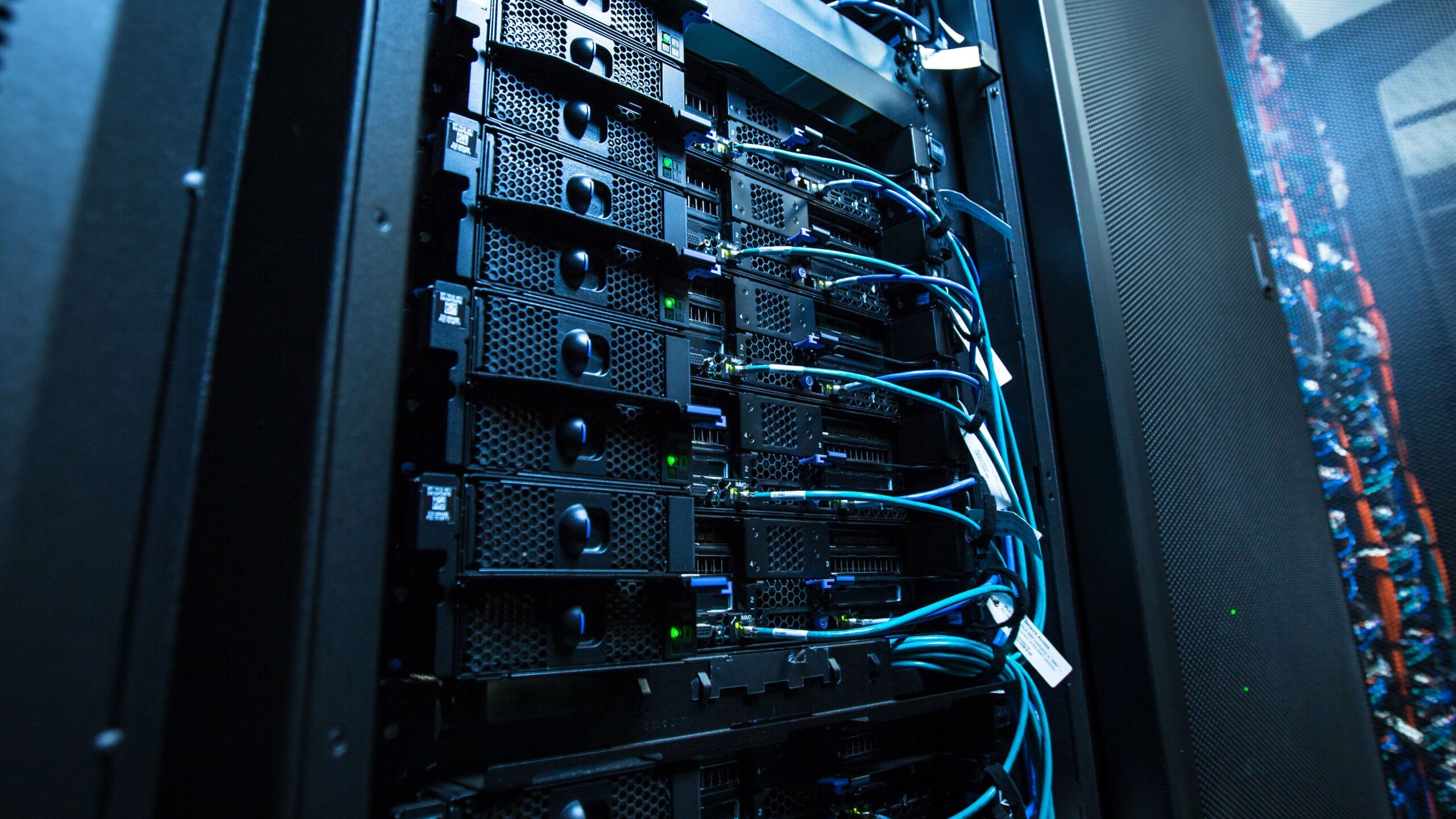
As organizations continue to modernize their infrastructure, they have more hosting options than ever before. Cloud platforms offer scalability and flexibility, while virtualization allows multiple workloads to run efficiently on shared hardware. However, some applications still require the performance, consistency and control that only dedicated physical infrastructure can provide.
Bare metal servers continue to play an important role for organizations running business-critical workloads, processing large volumes of data or deploying applications with specialist hardware requirements. Rather than sharing physical resources with other customers, organizations have exclusive access to the server, allowing the infrastructure to be designed around their applications rather than the other way around.
What is a bare metal server?
A bare metal server is a physical server dedicated exclusively to a single tenant. Unlike shared hosting environments, where multiple organizations use the same underlying hardware, every processor core, memory module, storage device and network resource is reserved for one customer.
The term bare metal refers to the way the server is deployed. The operating system is installed directly onto the physical hardware, allowing organizations to configure the environment according to their own technical requirements. This direct relationship between the operating system and the hardware removes unnecessary abstraction layers and enables applications to make full use of the available resources.
Because the infrastructure is dedicated to one organization, businesses have complete control over how the server is configured, secured and managed.
How does a bare metal server work?
Bare metal servers are installed within enterprise data centers, where they benefit from resilient power, cooling and network connectivity. Once the server has been provisioned, the customer installs their preferred operating system and software stack before configuring the environment to support their workloads.
Although applications can run directly on the operating system, organizations can also install a hypervisor to create virtual machines or deploy container platforms such as Docker and Kubernetes. This provides the flexibility of modern application deployment while retaining the predictable performance of dedicated hardware.
Unlike shared infrastructure, there are no competing workloads from other customers consuming CPU, memory or storage resources. This makes bare metal servers particularly effective for applications that generate sustained demand or require consistent performance over long periods.
Why choose a bare metal server?
One of the biggest advantages of bare metal infrastructure is its ability to be tailored around individual business requirements. Rather than selecting from predefined virtual machine sizes, organizations can specify the processor, memory, storage and networking that best support their applications. This allows the infrastructure to be optimized for the workload, whether that means prioritizing processing power, high-capacity memory or fast storage.
Dedicated hardware also delivers consistent performance. Because resources are never shared with other organizations, applications are not affected by the unpredictable resource consumption often associated with multi-tenant environments. This makes performance easier to forecast and helps maintain a consistent experience for users.
Bare metal servers also provide a high degree of operational control. Organizations are free to choose their preferred operating systems, hypervisors, applications and security configurations, making them suitable for environments with specialist software, licensing or compliance requirements.
Finally, bare metal infrastructure supports modern deployment methods as well as traditional applications. Virtual machines, Docker containers and Kubernetes clusters can all run on bare metal, allowing organizations to combine dedicated hardware with contemporary application architectures.
What are bare metal servers used for?
Bare metal servers are best suited to workloads that place sustained demands on infrastructure or require dedicated hardware resources.
Large databases, enterprise applications and high-traffic websites often benefit from the consistent performance that dedicated infrastructure provides. They are also widely used for big data analytics, artificial intelligence, machine learning and other high-performance computing workloads where processing power and memory capacity have a direct impact on application performance.
Containerized applications are another common use case. Running Docker or Kubernetes on bare metal allows organizations to maximize hardware utilization while avoiding the performance overhead that can sometimes accompany heavily virtualized environments.
For businesses handling sensitive information, bare metal also provides the flexibility to implement security policies and infrastructure configurations that align with internal governance or regulatory requirements.
Bare metal servers vs dedicated servers
The terms bare metal server and dedicated server are frequently used interchangeably because they both describe physical servers allocated exclusively to a single customer.
In practice, the differences are often minimal. Both provide dedicated hardware, single-tenant environments and complete administrative control. Organizations can install their own operating systems, applications and hypervisors while benefiting from predictable performance and greater infrastructure flexibility.
Where a distinction is sometimes made, bare metal refers more specifically to the architecture itself, with the operating system or chosen hypervisor installed directly onto the hardware. Dedicated server is often used as the broader term for the hosting service.
For most organizations, the terminology is less important than ensuring the infrastructure is designed around the needs of their workloads and supported by the right hosting provider.
What should you consider?
Choosing a bare metal server should start with understanding your applications rather than selecting hardware specifications.
Consider how much processing power, memory and storage your workloads require today, as well as how those requirements may change over time. It is equally important to think about resilience, backup strategies, security and whether your environment would benefit from managed support.
While bare metal servers provide exceptional performance and flexibility, they are most effective when they form part of a well-designed infrastructure strategy. A consultative approach helps ensure the platform is built around your long-term operational objectives rather than simply meeting immediate technical requirements.
The next steps
Bare metal servers remain an excellent choice for organizations that need dedicated resources, predictable performance and complete control over their infrastructure. Their ability to support both traditional applications and modern container platforms makes them a flexible foundation for a wide range of business workloads.
Whether you’re deploying a high-performance database, building a Kubernetes cluster or modernizing existing applications, choosing the right bare metal solution begins with understanding your technical requirements. Working with an experienced managed hosting provider can help ensure your infrastructure is designed to support both current workloads and future growth. Speak to one of our cloud experts for an initial consultation.